


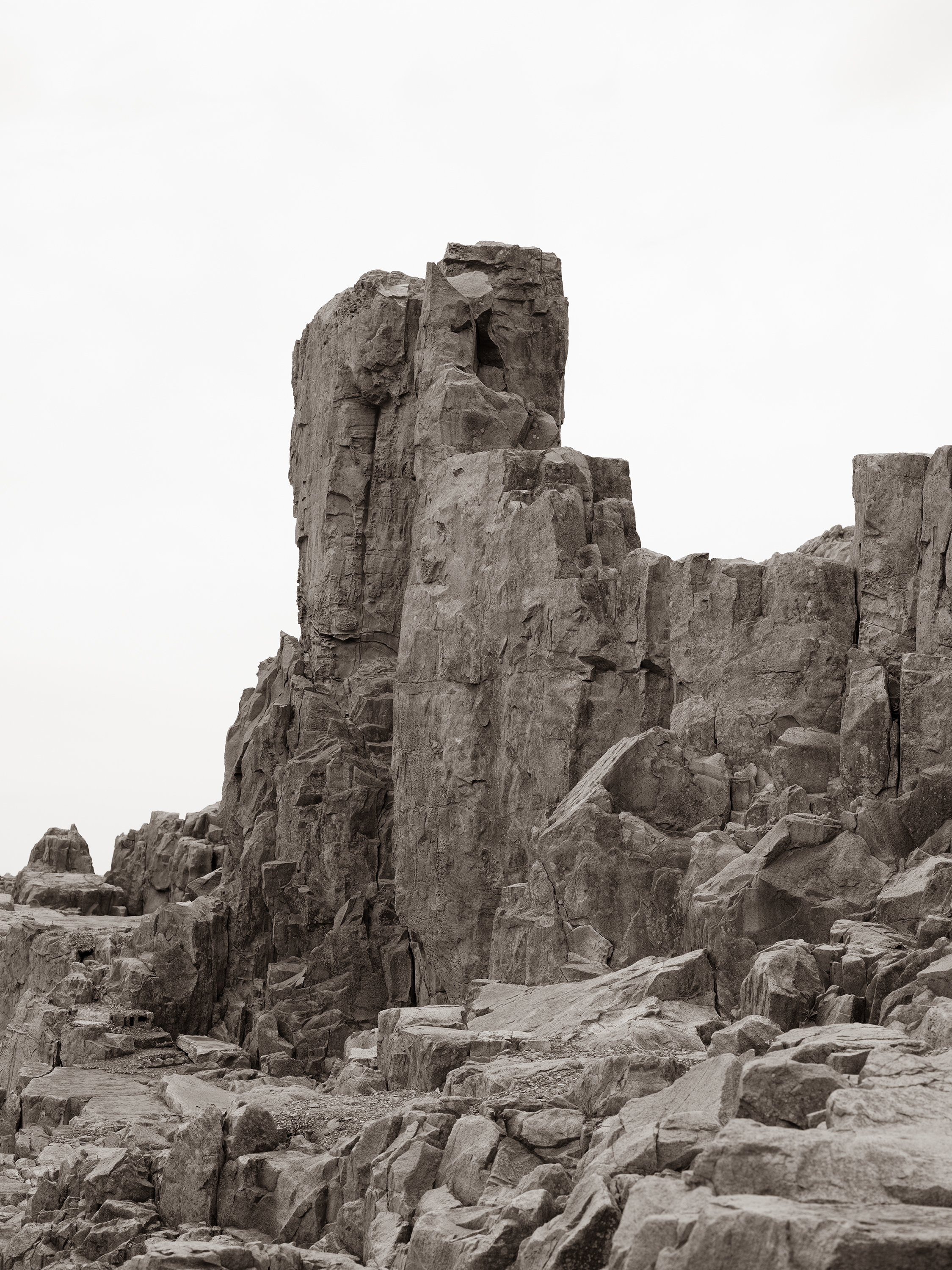


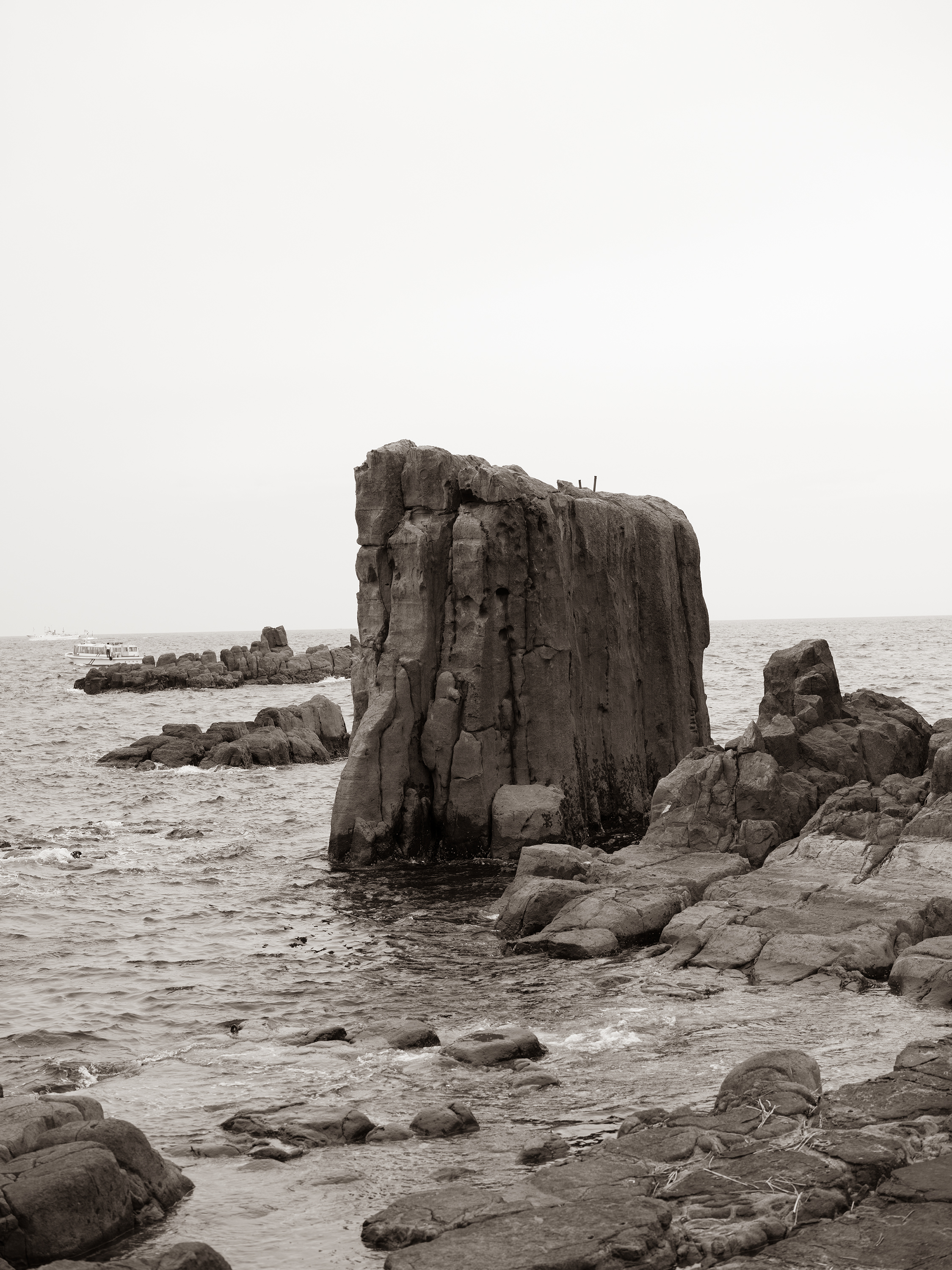


福井県に位置する東尋坊は、世界的にも大規模な柱状節理群と荒波が織りなす天然記念物であり、かつて崖上から突き落とされた僧のたたりに関する伝説が残っている。だが同時に多くの人にとっては、サスペンスドラマで追い詰められた犯人が最後に逃げ込む前時代的な舞台として、あるいは自殺の名所と呼ばれる悲劇的な場所として認知されてきた。
2018年に初めて東尋坊を訪れたぼくは、イメージとは裏腹に土産屋が立ち並び、かわるがわる観光客が写真撮影に興じる焼き増しの観光地の光景を前に驚きを隠せなかった。そして5年間に渡りその光景の観察と調査を行った結果、その地に結びついたイメージが実際は確証や関連性のないイメージから連鎖的に形成されたものであり、それらのいい加減なイメージこそが人々の行動原理や場所の形成に大きな影響を及ぼしてきたことが分かった。
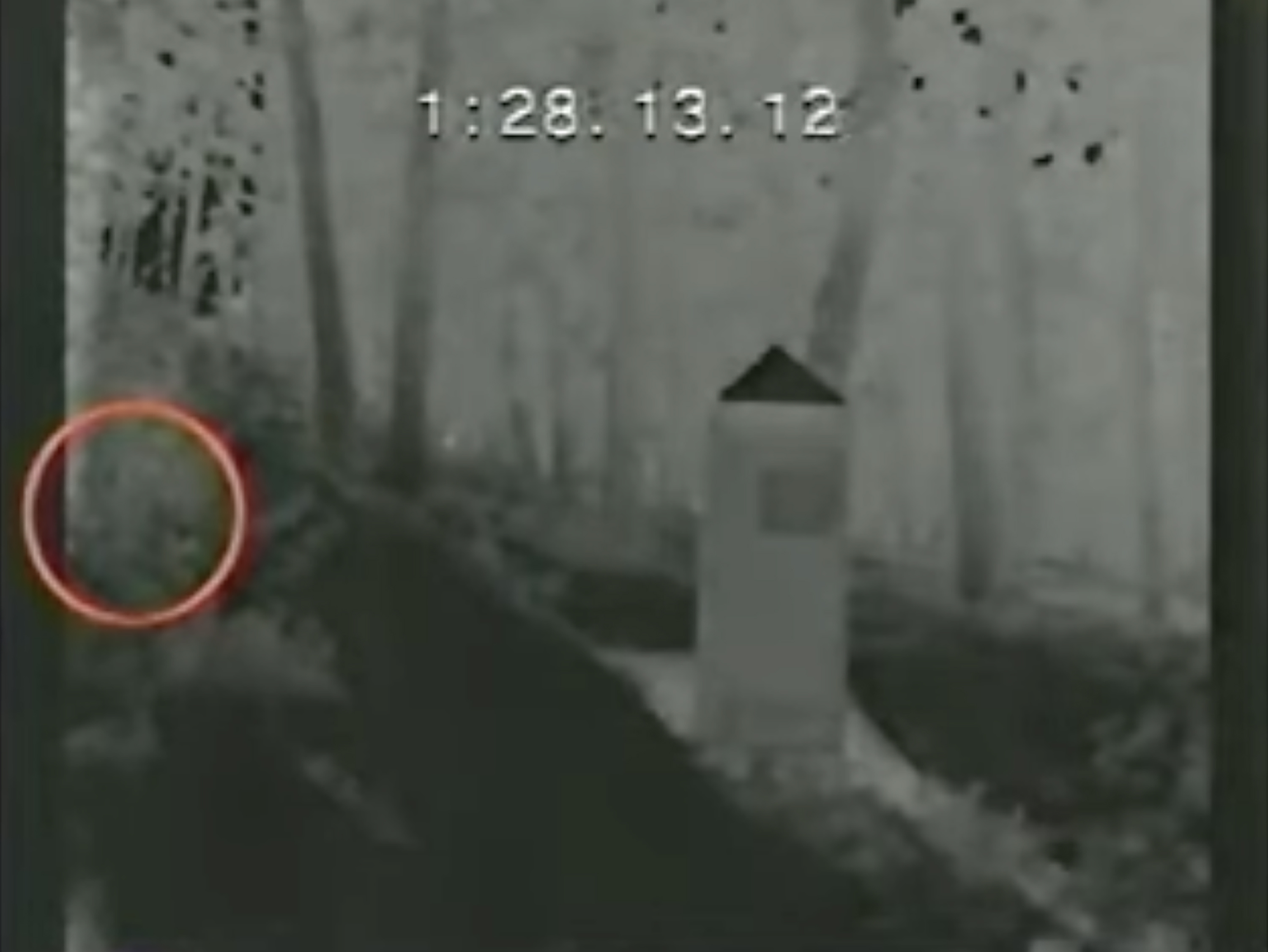
たとえば、僧の伝説にはいくつものバリエーションが存在するし、彼の存在を裏付ける物品も発見されていない。サスペンスドラマのイメージについては、とある推理小説の映画化において心情のメタファーとして崖と荒波が採用されたのをきっかけに、その影響下にあるサスペンスドラマが東尋坊を舞台として使用したことでイメージが定着したとされる。自殺の名所のイメージに関しても、事実よりもイメージの連鎖やメディアの生み出した東尋坊像が事態に拍車をかけたことにより、各地の悩みを抱えた人々にその存在を知らしめたことが大きな要因であり、観光地化においてそのイメージを多少なりとも利用してきたことも無視できない。
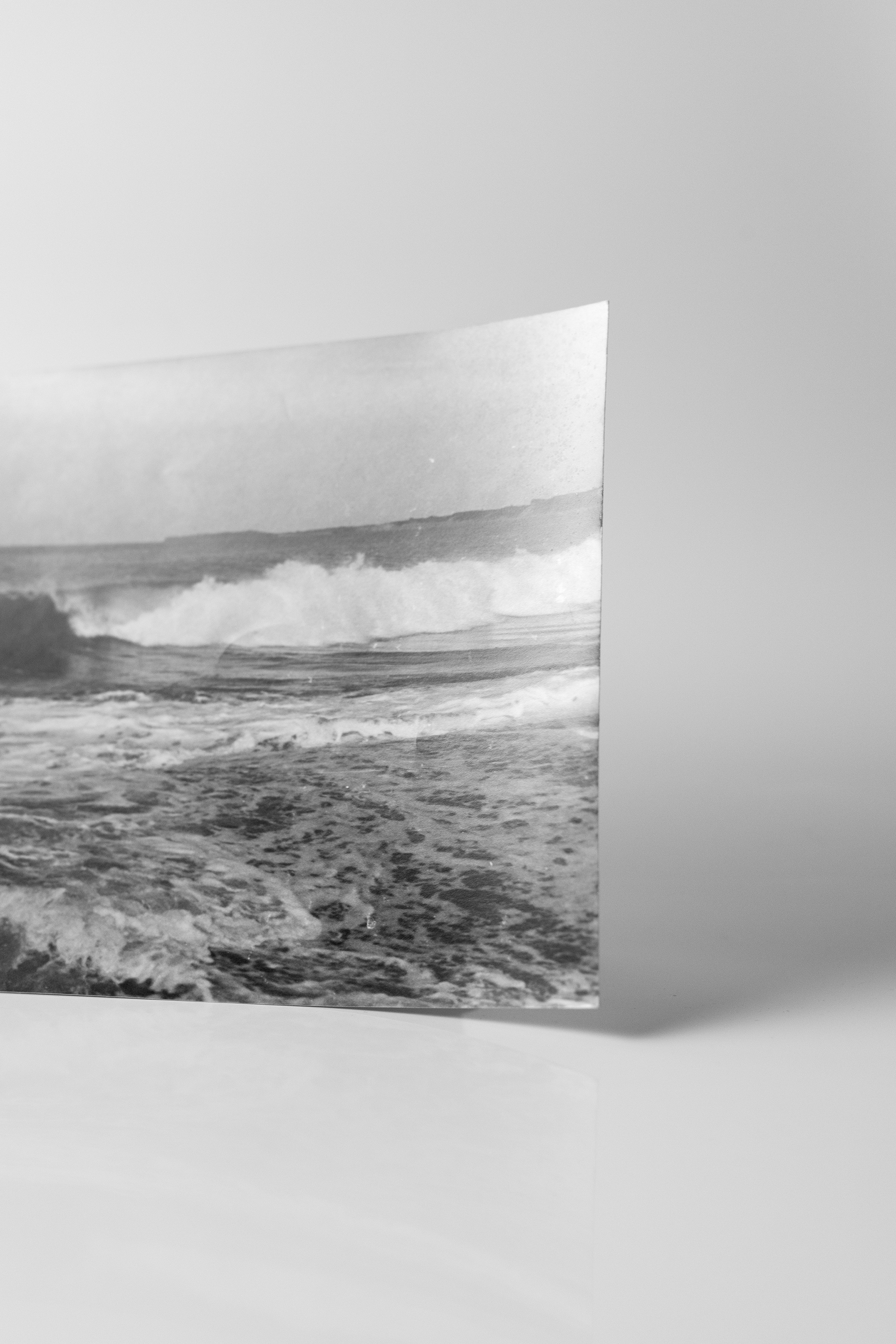
新型コロナウイルスのパンデミックにより、東尋坊を取り巻く状況も一変するかと思われたが、今では見慣れた景色が戻り始めている。その光景は以前と似たようで本質的には異なるのか、現時点ではまだわからない。また近年東尋坊では、自治体によるイメージ改善政策やNPO法人による悩みを抱える人たちへの援助活動が行われており、その努力は確実に実を結んでいる。しかし、いくら明るいイメージで満ちていても、依然として悲しみを胸に東尋坊を訪れる人は跡を絶たず、イメージは常に波のように揺らぎ続けている。これから東尋坊はどのように変化していくのだろうか。イメージの狭間で揺られながらも、雄大な断崖が変わらずそびえ立っていることだけはおそらく確かである。
Tojinbo, located in Fukui Prefecture, is a renowned natural treasure of Japan, characterized by its extensive columnar joints and turbulent ocean waves. It is also the location of a legend about a monk who was pushed off a cliff in the late 12th century. However, many people have also recognized it as a prehistoric stage from which a criminal in a suspense drama would escape, or as a well-known location for suicide. Born and raised in a neighbouring prefecture, I too had the latter image of Tojinbo.
When I visited Tojinbo for the first time in 2018, I could not hide my surprise at the sight of a typical tourist site lined with souvenir shops and tourists taking pictures in turn, contrary to its image. After five years of observation and research of this strange scene, it became clear that many of the images associated with the place were in fact formed from a chain of unconfirmed and unrelated images, and that these sloppy images have influenced people's behavioural principles and the formation of the place.
For example, there are a number of variations on the legend of the monk, and no articles have been found to corroborate his historical existence. Regarding the portrayal of Tojinbo in suspense dramas, the cliffs and turbulent waves were symbolically employed to represent the emotion in the cinematic version of a mystery novel, and the image became firmly established when suspense dramas under the influence of the film used Tojinbo as a setting afterwards. The image of Tojinbo as a location for suicides is mostly derived from a chain of those images, and media-generated images of Tojinbo, more than facts, have spurred the situation, making its existence known to people with pain in various parts of the country. The fact that the image has been used to some extent in the development of tourist destinations cannot be ignored as well.
After the COVID-19 pandemic, the situation surrounding Tojinbo seemed to have changed drastically, but now the familiar scenery has begun to return. I don't know at this point whether these scenes are similar to those of the past or something different in nature. In recent years, Tojinbo has been implementing image improvement policies by the local government, while non-profit organisations are offering help to individuals requiring support, and these efforts are certainly bearing fruit. However, no matter how bright the image of the place may be, there are still many people who visit Tojinbo with sadness in their hearts, and the image of Tojinbo is constantly fluctuating like a wave. How will Tojinbo change in the future? While Tojinbo is still wavering between images, we can be sure that the majestic cliffs will continue to stand tall as ever.